Lower Hudson Valley Film Academy
~ Shoot Your First Film This Summer ~
In small cohorts with personalized instruction, students build a strong foundation in filmmaking while working with professional-grade camera equipment and editing in Adobe Premiere Pro. Over the course of the program, they write, direct, shoot, and edit a ten-minute short film.
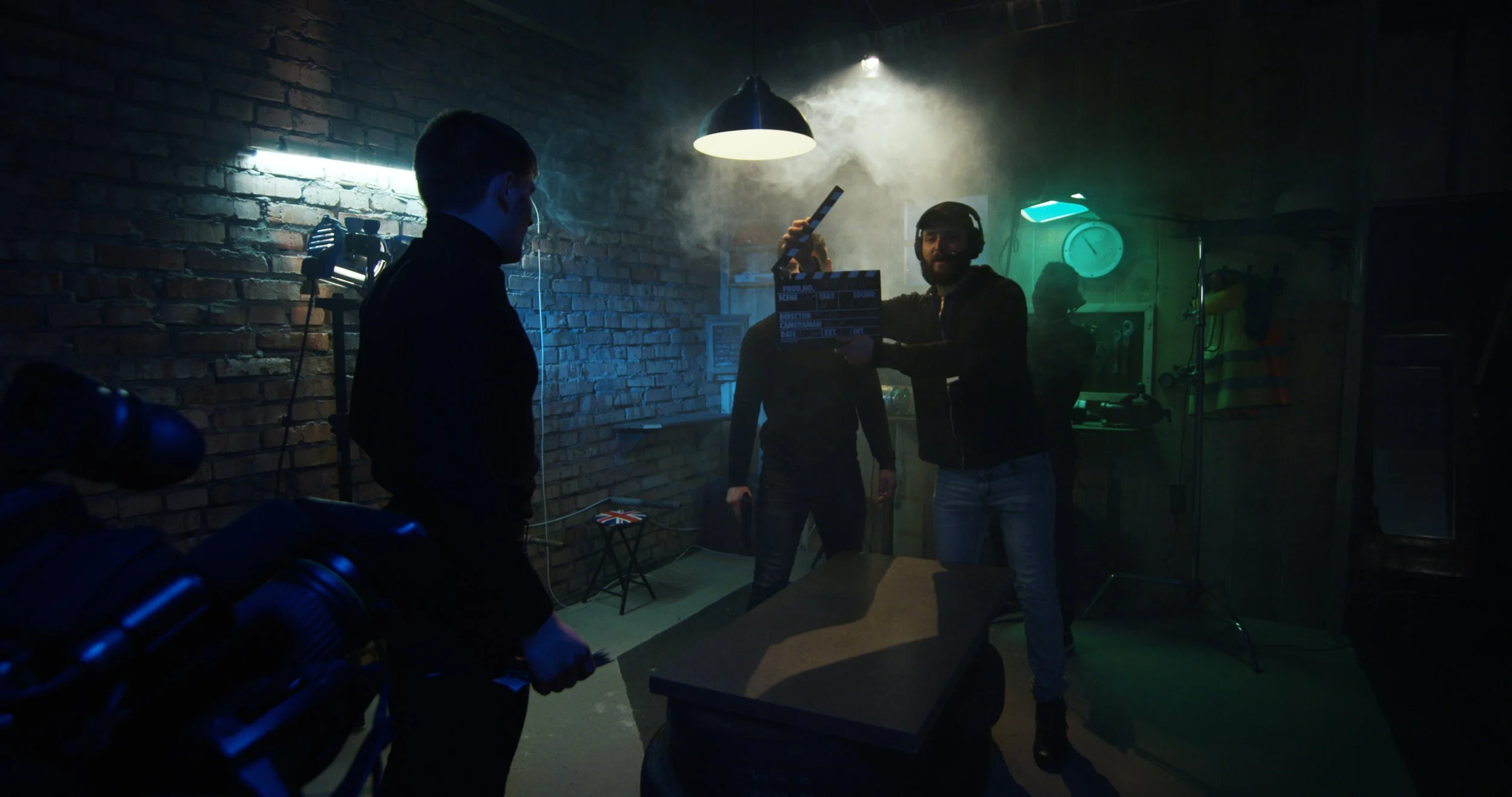
AN INTRODUCTION TO FILMMAKING
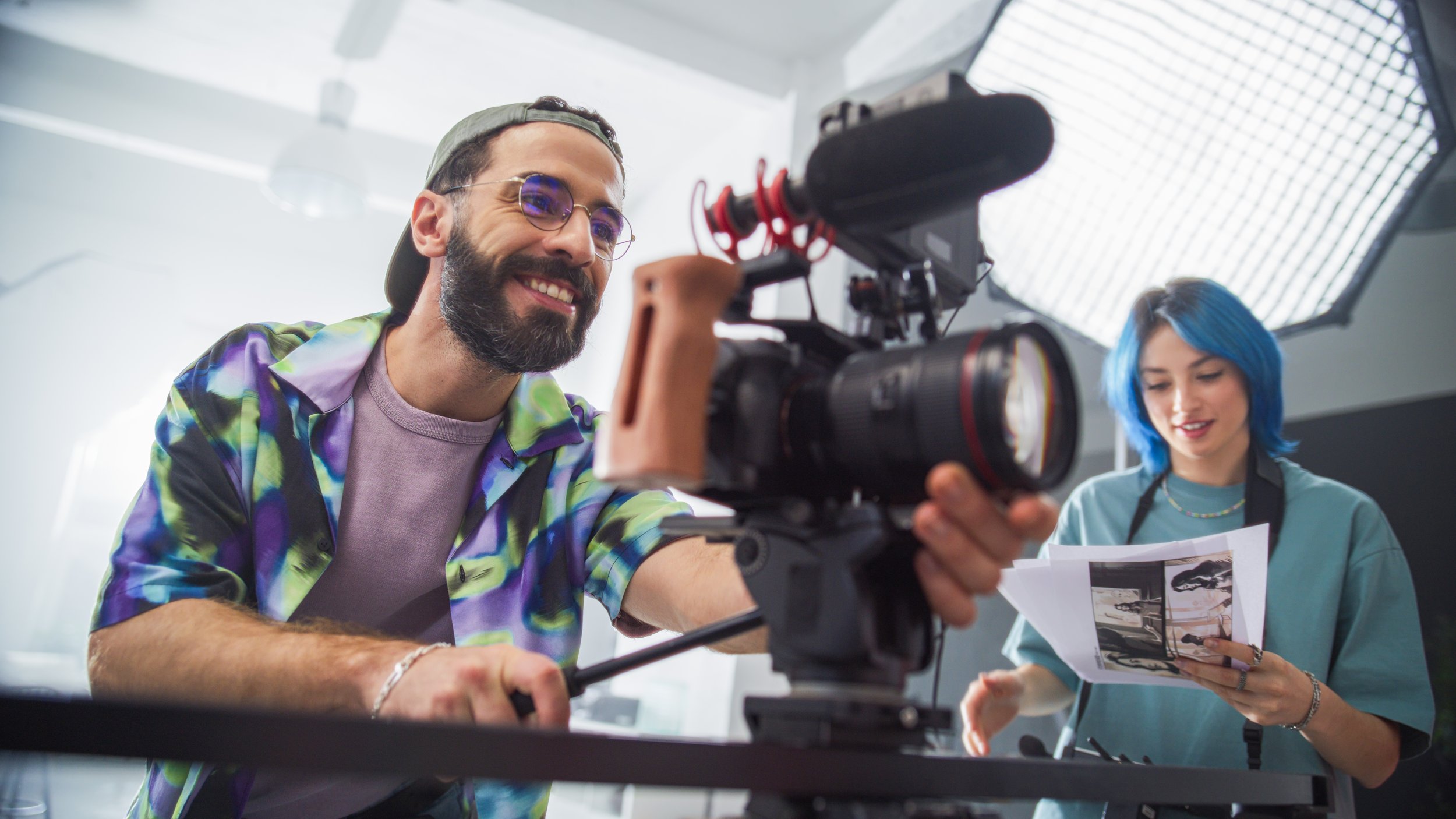
Camera & Lighting
Learn how to use a dslr video camera and develop best practices for using specific aperture, ISO, frame rate, and choices in frame composition, camera movement, and lighting concepts to best express creative intention.
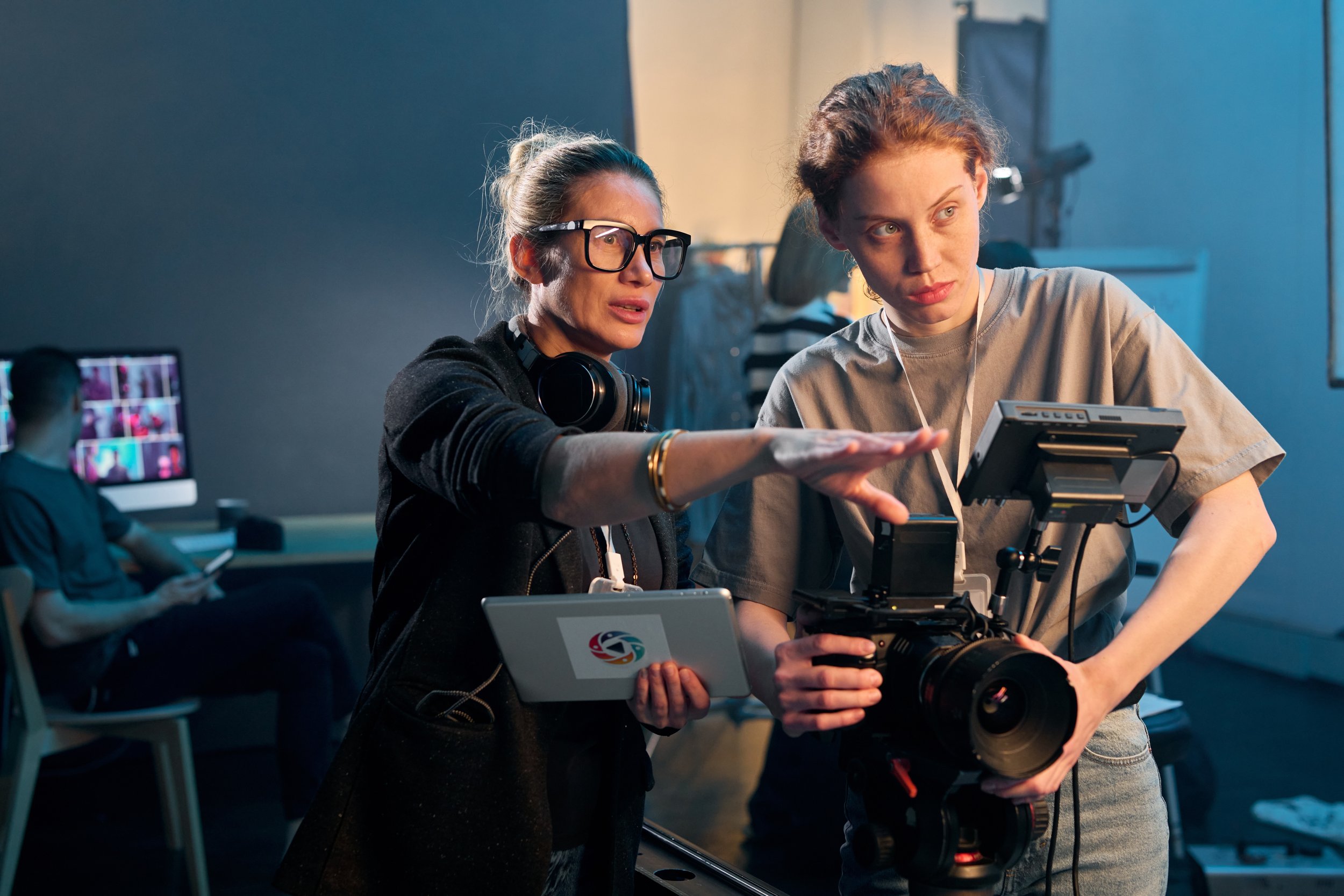
Writing & Directing
Learn how to develop your story for screen using classic screenplay structure and write in standard screenplay format. Develop a process to analyze your screenplay’s scenes and characters, and communicate concise direction to actors.
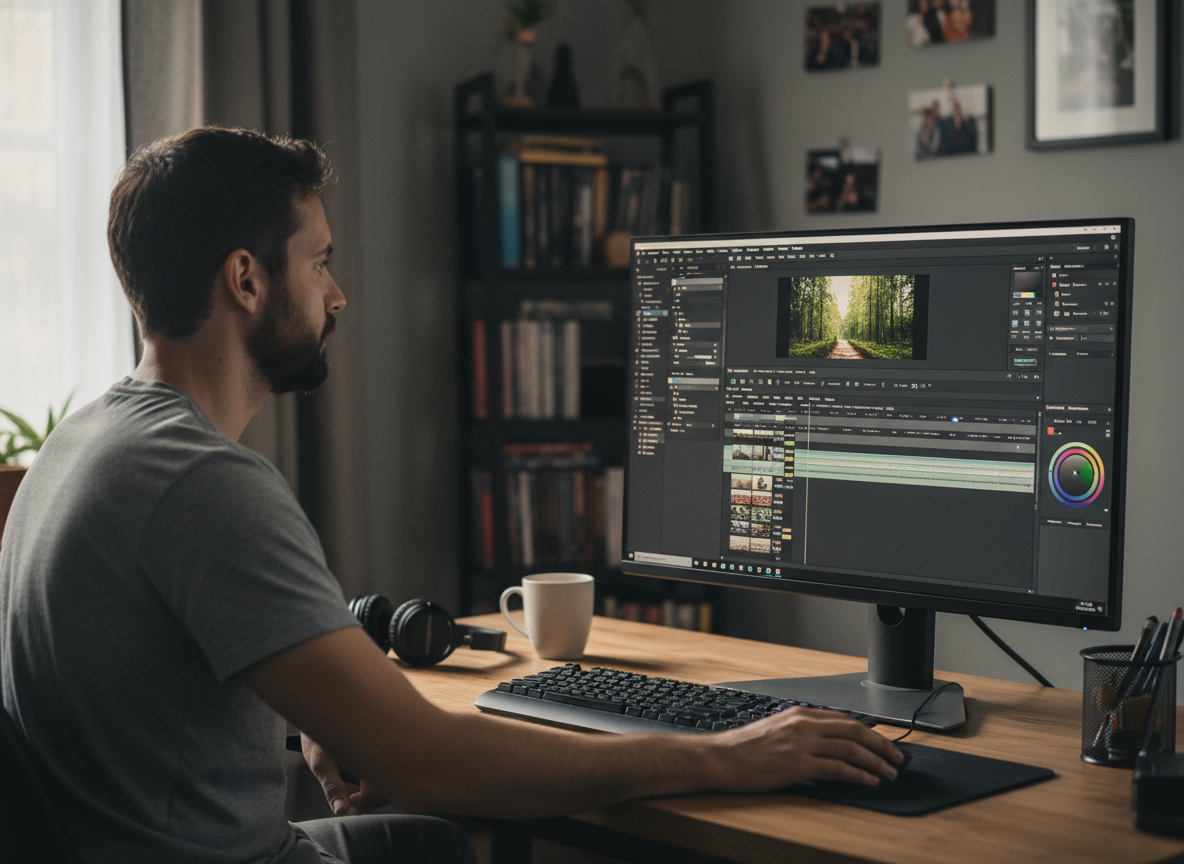
Editing on
Adobe Premiere Pro
Learn basic and advanced techniques in editing; including story development, pacing, sound editing, and color correction, using computers running Adobe Premiere Pro.
12-Week Program
Week 1-2: Camera
Learn to use the Canon C100; frame rate, shutter speed, aperture, ISO, etc. Develop knowledge of different focal lengths in lenses (Shoot Silent Short)
Week 3: Editing
Learn basic and advanced principles of video editing on Adobe Premiere Pro (Edit Silent Short)
Week 4-5: Directing
Learn and develop to use the camera to express creative intention, break down a screenplay into beats, and communicate concisely with with actors (Direct Scenes with Actors/Script Analysis/Breakdown)
Week 6-7: Screenwriting
Learn proper screenplay format using industry standard screenwriting software, Final Draft, and develop principles of story telling; inciting incident, plot points, obligatory scene (Write Final Project - 10 Page Screenplay)
Week 8-10: Shoot Project
All students will take home production kit to shoot their short film.
Week 11-12: Edit Project
Students edit their films during the final two weeks of the session.
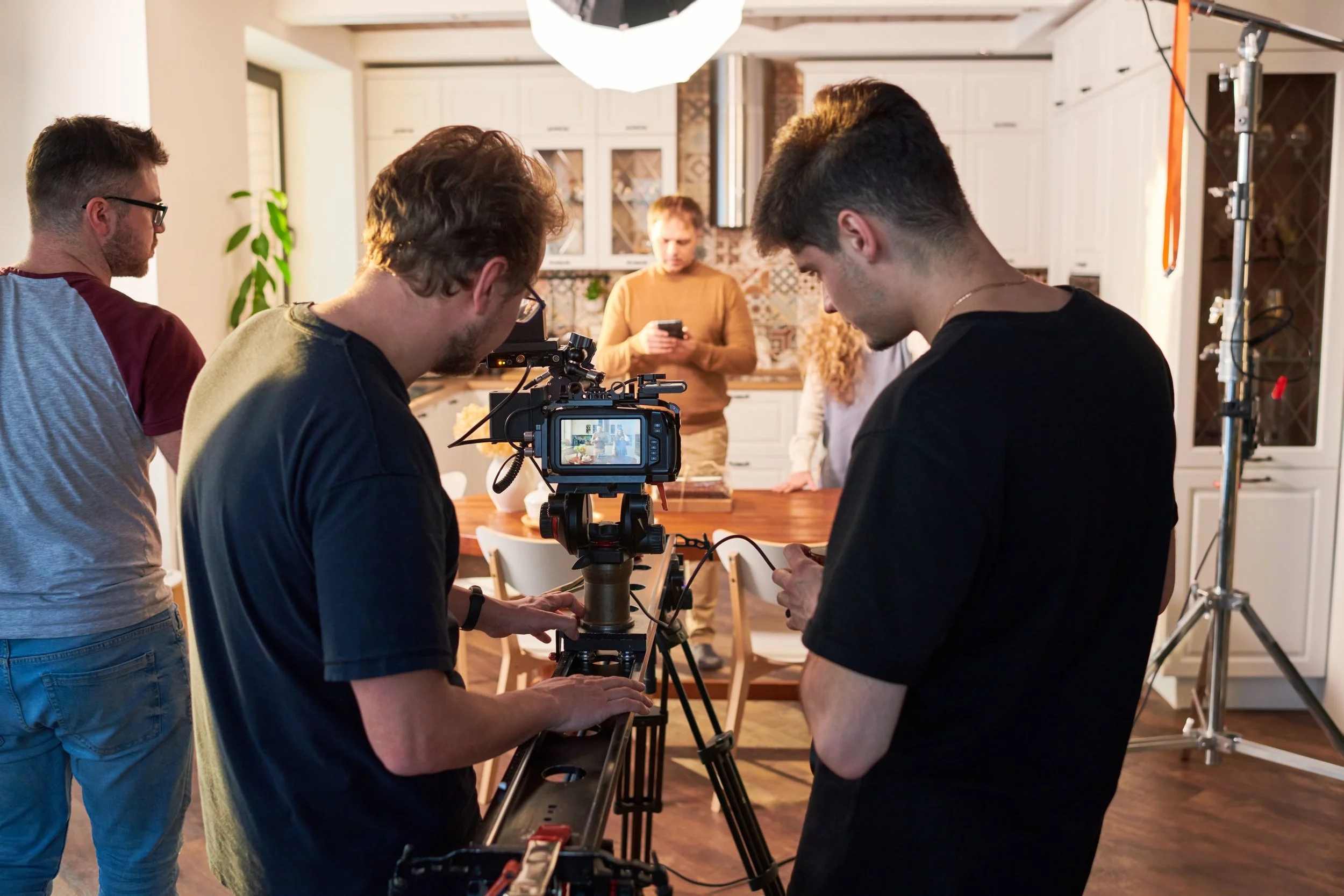
6 Students Per Cohort
Small class sizes in filmmaking education are crucial because they directly improve both learning quality and creative growth.
Students receive detailed and personalized critiques of their work — from directing choices and camera setups to editing rhythm and storytelling. This leads to faster skill improvement.
Filmmaking depends on access to cameras, lighting, and sound gear. Smaller groups mean everyone gets more hands-on time operating tools rather than waiting or just observing.
In small classes, students can form tighter creative partnerships, mirroring real-world film crews more closely. It encourages experimentation, trust, and shared problem-solving — essential for production environments.
Close instructor-student relationships often become long-term mentorships, opening doors to internships, collaborations, and networking opportunities within the industry.
Filmmaking involves risk-taking — pitching bold ideas, failing, revising. A small class fosters a supportive environment where students feel comfortable making mistakes and finding their voice.
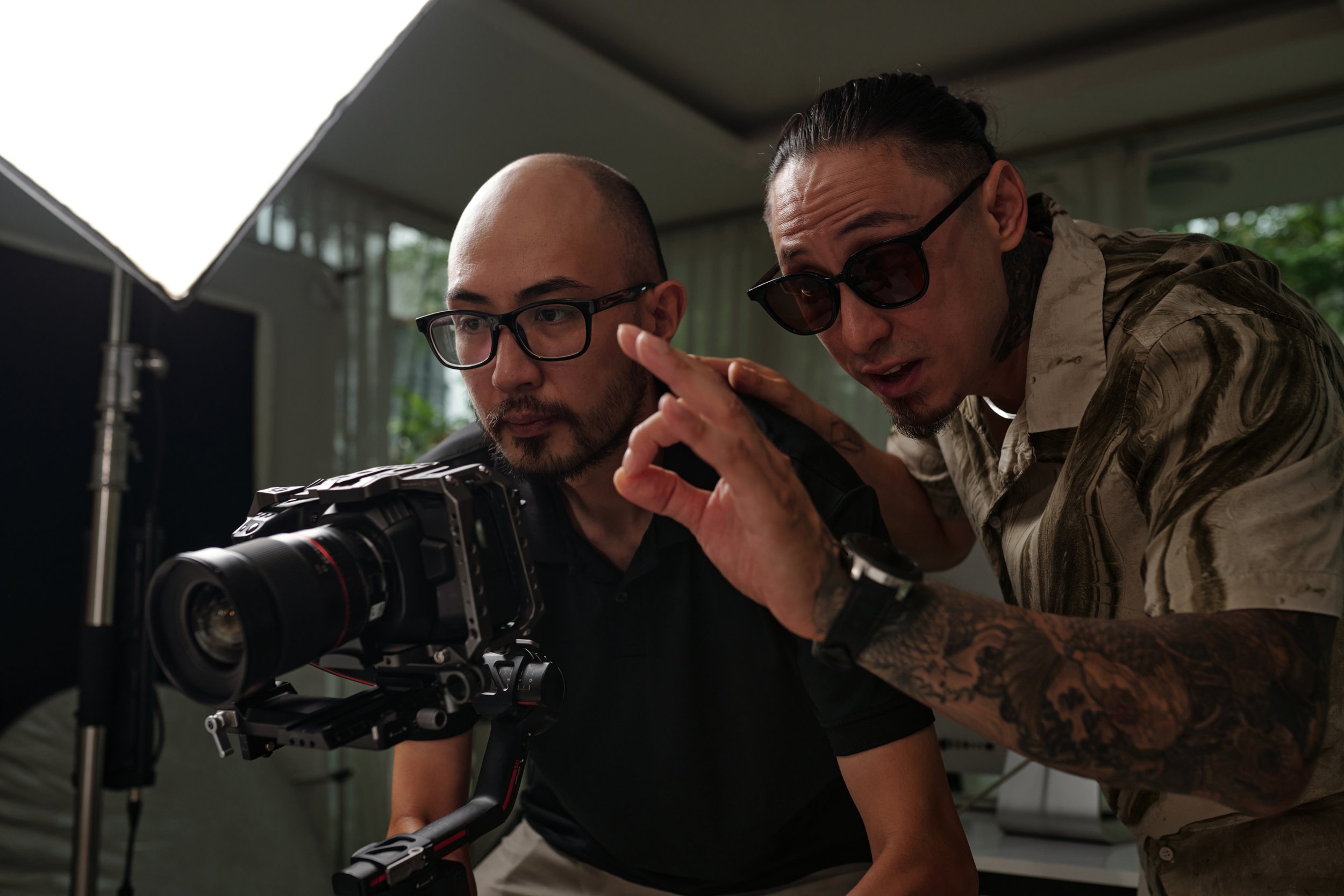
Production Kit
All Production Kits include:
Canon C100
16-35mm lens
24-105mm lens
Camera Bag
Tripod
Audio cable
Boom microphone
Light Kit
Session Dates
Session 1
June 2 - September 5
(Tues/Thurs @ 9am-11am, Sat @ 12pm-3pm)
Session 2
June 15 - September 18
(Tues/Thurs @ 6:30-8:30pm, Sat @ 9am-12pm)
Session 3
June 30 - October 3
(Mon/Wed/Fri @ 6:30-8:30pm)
Tuition: $3,000 $1,800 per 12-week session
Our Expertise
Lower Hudson Valley Film Academy is led by Adam Watstein, producer, director, writer, and editor of three feature films. A teacher of film production of ten years, Adam’s students have completed over two hundred short films some of which have won awards and have gained acceptance into film festivals. A 1994 NYU Tisch School of the Arts graduate, Adam has spent the last 10 years working as a promo editor at AMC Networks (The Walking Dead, Better Call Saul).
You can see some of Adam’s recent work at www.smilingeyepictures.com.
Adam is passionate about inspiring others to reach beyond what they think they are capable of. He loves to bring his knowledge of filmmaking and make the impossible seem easy. He continues to keep in touch with his former students as mentor.